

Our dedicated vaccination page will look at:
Why are vaccinations important?
Why are vaccinations important?
While vaccination jabs might not be the most fun for your baby, they are vital in keeping them fit and healthy. Your baby will require their first vaccination at the age of eight weeks to shield them - and other children they come into contact with - against the spread of diseases.
Learn more
Why are vaccinations important?
Why are vaccinations important?
While vaccination jabs might not be the most fun for your baby, they are vital in keeping them fit and healthy. Your baby will require their first vaccination at the age of eight weeks to shield them - and other children they come into contact with - against the spread of diseases.
Dawn Kelly, a health visitor lecturer and mother-of-three, says: “Vaccines are hugely important in reducing the chances of your baby getting sick. Not only do they help your children, but they help reduce instances of these diseases in the whole population.”
This content was written by healthcare professional Dawn Kelly in 2020. She was paid for her time but does not endorse CALPOL® Products.
Close
Immunisation schedule
Immunisation schedule
Vaccinations protect your baby against diseases like measles, rubella, tetanus and meningitis. Your baby needs their first injections at eight weeks, through to their mid-teens.
Vaccinations Schedule:
8-week vaccinations:
Learn more
Immunisation schedule
Immunisation schedule
Vaccinations protect your baby against diseases like measles, rubella, tetanus and meningitis. Your baby needs their first injections at eight weeks, through to their mid-teens.
Vaccinations Schedule:
8-week vaccinations:
- 6-in-1 vaccine
- Rotavirus vaccine
- Men B vaccine
12-week vaccinations:
- Dose 2 of the 6-in-1 vaccine
- Pneumococcal vaccine (PCV)
- Dose 2 of the rotavirus vaccine
16-week immunisations:
- Dose 3 of the 6-in-1 vaccine
- Dose 2 of Men B vaccine
1-year vaccines:
- Hib/Men C
- MMR vaccine
- Dose 2 of pneumococcal vaccine (PCV)
- Dose 3 of Men B
Age 2 to 10 vaccinations:
- Flu vaccination each year
Age 3 years, 4 months vaccines:
- Dose 2 of MMR vaccine
- Pre-school booster (4-in-1)
Age 12 to 13:
- HPV vaccine
Age 14:
- Teenage booster (3-in-1)
- MenACWY - for protection against meningitis and septicaemia
For more information on your childs’ vaccination schedule, download the CALPOL® Immunisation Guide for Parents.
Close
What to expect at your child's immunisation appointment
What to expect at your child's immunisation appointment
Your nurse or doctor will first ask for the ‘red book’ – your child’s health record. Once you and your little one are comfortable, the vaccine will be administered usually by injection.
Learn more
What to expect at your child's immunisation appointment
What to expect at your child's immunisation appointment
Your nurse or doctor will first ask for the ‘red book’ – your child’s health record. Once you and your little one are comfortable, the vaccine will be administered usually by injection. Your baby or child may cry for a little while after a vaccination, but they should feel better after a cuddle.
Close
Vaccine side effects
Vaccine side effects
There are a few side effects your little one might experience after having their vaccination – whether that’s from an 8- or 12-week baby immunisation, or their one-year injections.
Learn more
Vaccine side effects
Vaccine side effects
There are a few side effects your little one might experience after having their vaccination – whether that’s from an 8- or 12-week baby immunisation, or their one-year injections. While this can seem a little daunting as a parent, most vaccine side effects are mild and don’t last long.
Common vaccine side effects:*
- Sore and red area where the needle goes in for 2 to 3 days.
- Children feeling a bit unwell or developing a high temperature - a high temperature of 38°C or more
- Crying and upset straight after the injection.
- diarrhoea and/or vomiting - more common with Men B vaccine
*This list of side-effects is not exhaustive; for more information on vaccines and side effects, visit: http://www.nhs.uk/conditions/vaccinations/pages/reporting-side-effects.aspx
Close
How to treat vaccination side effects
How to treat vaccination side effects
It’s normal for babies and young children to be upset for a little while after an immunisation by injection. Cuddles and comfort also go a long way after immunisations, but should your youngster develop a post-immunisation fever, you can try the following:
Learn more
How to treat vaccination side effects
How to treat vaccination side effects
It’s normal for babies and young children to be upset for a little while after an immunisation by injection. Cuddles and comfort also go a long way after immunisations, but should your youngster develop a post-immunisation fever, you can try the following:
- Give them plenty of fluids
- Keep them cool – make sure they are not wearing too many layers
- Give them liquid paracetamol or ibuprofen to help bring the fever down. If your child is getting their Men B vaccination, you can try giving paracetamol soon after vaccination before developing a fever (see below) – this will reduce the risk of your child having a post-immunisation fever.
Post-immunisation fever is perfectly normal, and it’s a comfort to know that this side effect is considered mild and doesn’t last a long time – usually between one and two days. Dawn Kelly says: “This fever normally lasts a couple of days. If it sticks around for longer, then contact the nurse or GP where you had your vaccines. Again, if there’s anything that you feel is not normal after the vaccinations, contact the place where you had them.”
This content was written by healthcare professional Dawn Kelly in 2020. She was paid for her time but does not endorse CALPOL® Products.
Close
Post-immunisation fever and Meningitis B vaccine
Post-immunisation fever and Meningitis B vaccine
Post-immunisation fever is fairly common when the Meningitis B vaccine is given with other routine vaccinations at two and four months. It is recommended that you give your baby liquid paracetamol to reduce the risk of fever after the vaccination.
Learn more
Post-immunisation fever and Meningitis B vaccine
Post-immunisation fever and Meningitis B vaccine
Post-immunisation fever is fairly common when the Meningitis B vaccine is given with other routine vaccinations at two and four months. It is recommended that you give your baby liquid paracetamol to reduce the risk of fever after the vaccination. If your little one does experience a fever it tends to reach its peak at around six hours, and in most cases will be gone in two days.
This fever is usually nothing to worry about, and the good news is it actually shows your little one is responding to the vaccine. But don’t worry if your youngster doesn’t get a fever, it doesn’t mean the vaccination hasn’t worked. Your nurse will give you more information about paracetamol to treat post-immunisation fever at your vaccination appointment.
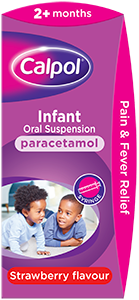
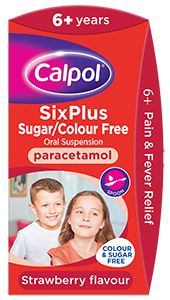
Check out the Calpol range of paracetamol products suitable for post-immunisation fever.
Close
When to see a doctor
When to see a doctor
Your child’s post-immunisation fever and any redness or soreness where they’ve had the injection should clear up within a couple of days.
If you’re concerned your child is feeling out of sorts and their symptoms are not getting better, then call your GP or 111.
Learn more
When to see a doctor
When to see a doctor
Your child’s post-immunisation fever and any redness or soreness where they’ve had the injection should clear up within a couple of days.
If you’re concerned your child is feeling out of sorts and their symptoms are not getting better, then call your GP or 111.
Close
- Give them plenty of fluids
- Keep them cool – make sure they are not wearing too many layers
- Give them liquid paracetamol or ibuprofen to help bring the fever down. If your child is getting their Men B vaccination, you can try giving paracetamol soon after vaccination before developing a fever – this will reduce the risk of your child having a post-immunisation fever.

Dawn is a qualified paediatric nurse, health visitor and lecturer with over 25 years’ experience. She’s written widely about child health and development and has a wealth of knowledge about childhood illnesses and advising parents on issues such as weaning and sleep. Her three daughters also put her knowledge to the test!
This HCP does not endorse Calpol.